Resources
Understanding Buyer Psychology in Home Staging
Buyers decide emotionally and justify logically. Staging is how you reach the first half of that.
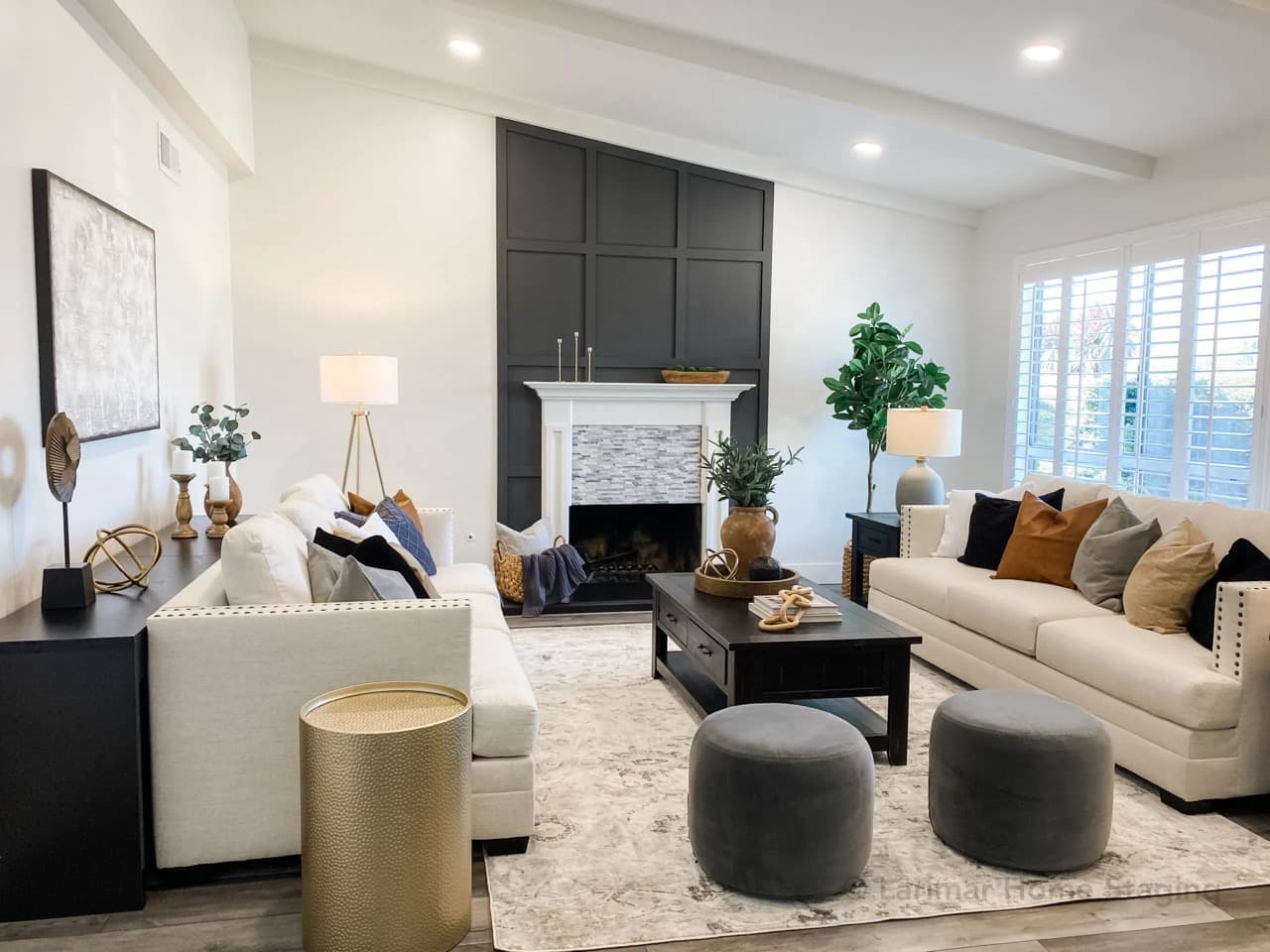
Key psychological principles in home staging
1. First impressions matter
The first few seconds upon entering a home are critical. A welcoming entryway sets the tone for the entire viewing, so make sure the entrance is clean, well lit, and inviting.
2. Creating a sense of space
Cluttered or over-furnished rooms feel smaller and more overwhelming. Arranging furniture strategically and decluttering creates an open environment where buyers can imagine their own belongings.
3. Neutralizing personal touches
Family photos and personalized decor make a house feel like home to you, but they block a buyer from picturing themselves there. Neutralizing them creates a blank canvas.
4. Appealing to the senses
Soft background music, pleasant scents, and comfortable temperatures all contribute to a positive atmosphere. Keep these subtle so they support rather than distract.
5. Highlighting lifestyle aspirations
Staging should reflect the lifestyle buyers aspire to, whether that is a cozy family home, a modern urban condo, or a luxurious retreat. Aligning with the target market’s desires makes a property more attractive.
Color psychology in staging
Colors influence mood and perception. Neutrals such as whites, beiges, and grays make spaces feel larger and more inviting, while accent colors draw attention to key features.
The power of storytelling
Every home has a story. Staging that tells a compelling one, a cozy reading nook, a vibrant home office, a family-friendly dining area, engages buyers on a deeper level.